
Blog
How to Choose the Right Breathalyzer: A Practical Buying Guide

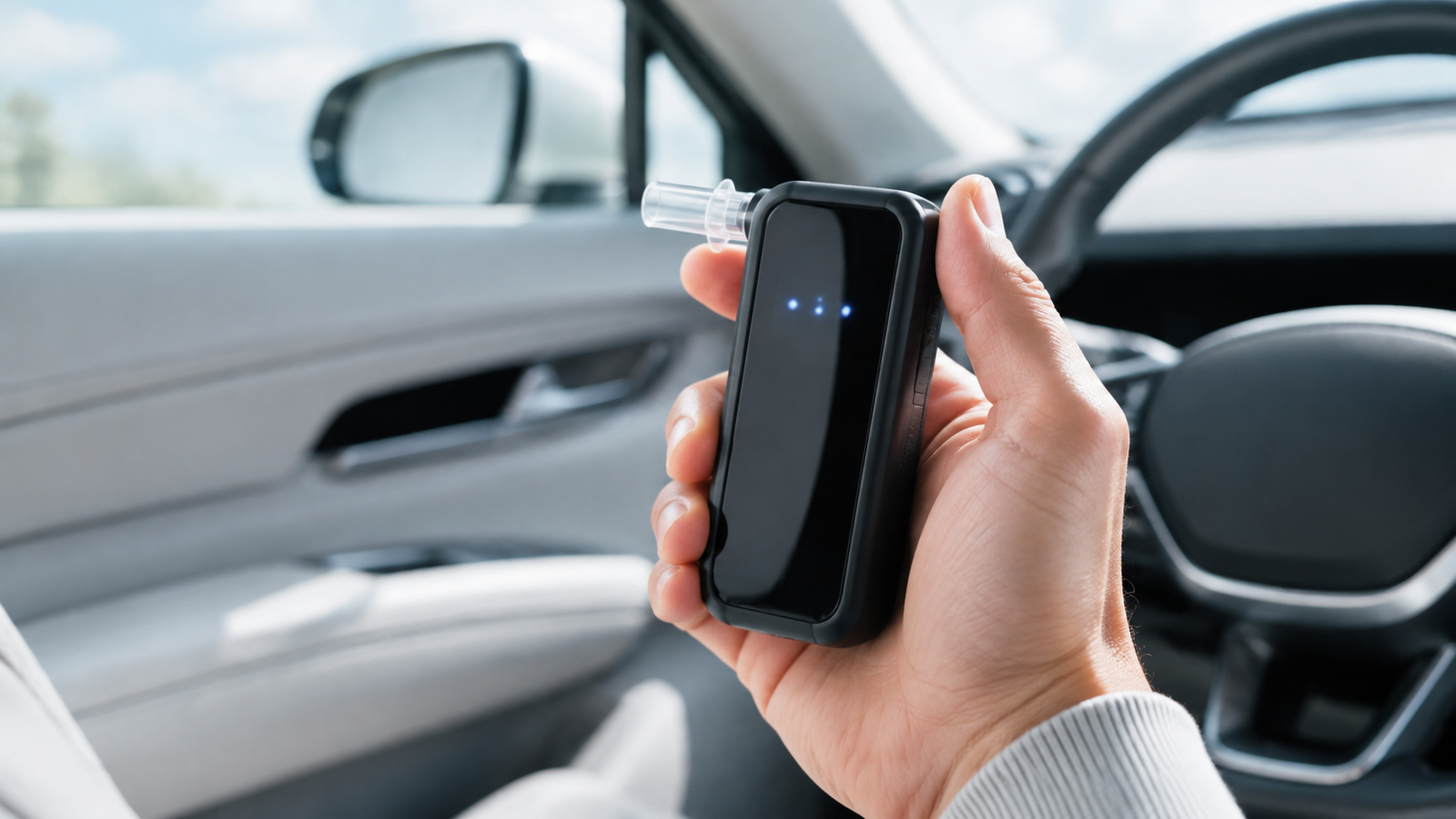
The best breathalyzer is not automatically the model with the largest display or the longest feature list. It is the model that matches how often you will test, who will use it, how results will be recorded, and how the device will be maintained.
A personal tester used occasionally has different requirements from a unit used for repeated workplace screening or professional field checks. Start with the job the device must perform, then compare sensor technology, calibration support, hygiene, speed, and ownership cost.
1. Define the Intended Use
Before comparing models, write down the main testing scenario. This prevents you from paying for features you will not use—or choosing a basic device that becomes inconvenient after a few weeks.
- Occasional personal awareness: prioritize simple operation, clear instructions, compact size, and accessible calibration service.
- Frequent personal or family use: look for replaceable mouthpieces, quick recovery between tests, a durable housing, and an easy-to-read result.
- Workplace or screening programs: prioritize repeatability, operator controls, hygiene between users, recordkeeping, and a documented maintenance process.
- Professional field use: consider ruggedness, environmental operating range, data export, rechargeable power, and manufacturer support.
2. Compare Sensor Technology
Fuel cell sensors
Fuel cell sensors create an electrical response when ethanol is oxidized at the sensor. They are widely used in higher-grade portable instruments because they are generally more selective to ethanol and well suited to repeated screening when the device is properly maintained.
Semiconductor sensors
Semiconductor sensors measure a change in electrical properties when certain vapors reach a heated sensing element. They can support compact, affordable devices, but results may be more sensitive to the individual product design, environmental conditions, and other volatile substances.
Sensor type is important, but it is not a complete quality guarantee. The U.S. National Highway Traffic Safety Administration has listed both fuel cell and semiconductor alcohol screening devices that met its applicable model specifications. Evaluate the whole product, not the sensor label alone.
3. Check the Specifications That Affect Daily Use
- Measurement range and stated tolerance: confirm that the manufacturer publishes a usable range and explains the conditions under which the specification applies.
- Calibration plan: find the recommended interval, service location, turnaround time, and price before buying. Calibration is part of ownership, not an optional repair.
- Warm-up and recovery time: a fast first test is useful, but the time between consecutive tests matters more when several people are being screened.
- Sampling guidance: countdowns, flow indicators, and clear error messages help users provide a consistent breath sample.
- Mouthpiece design: replaceable mouthpieces improve hygiene for shared testing. Confirm availability and ongoing cost.
- Display and units: make sure the result format and unit are clearly explained. Breath alcohol concentration and blood alcohol concentration are related but are not identical measurements.
- Memory and connectivity: onboard records, timestamps, Bluetooth, USB, or export features are valuable only if they fit your actual reporting workflow.
- Operating and storage range: a device kept in a vehicle, warehouse, or cold environment may need a wider specified temperature range.
4. Look Beyond the Purchase Price
A lower initial price can become expensive if the device requires frequent service, proprietary consumables, or replacement after limited use. Compare the total cost over the period you expect to own it.
- Calibration and shipping fees
- Replacement mouthpieces or sensor modules
- Batteries, charging accessories, and protective cases
- Warranty length and exclusions
- Availability of technical support and spare parts
5. Use the Device Consistently
Even a capable instrument can produce unreliable results when the sampling procedure changes. Follow the manufacturer’s instructions every time. Observe the required waiting period after eating, drinking, smoking, or using mouthwash; use a clean mouthpiece; provide the requested continuous breath sample; and store the tester within its specified conditions.
Keep a simple maintenance record if the device supports workplace or repeated screening. Record calibration dates, failed checks, cleaning, and any service. NHTSA guidance for breath alcohol programs emphasizes regular calibration checks and documented inspection and maintenance.
| Important safety note: A consumer breathalyzer is a screening tool, not permission to drive. Alcohol can impair judgment before a person recognizes it, and legal rules vary by location. If alcohol has been consumed, use a sober driver, taxi, public transportation, or another no-driving plan. |
A Simple Buying Checklist
- Define who will use the device and how often.
- Choose a sensor type that matches the required consistency and budget.
- Confirm the calibration schedule, service process, and cost.
- Check mouthpiece availability and hygiene controls.
- Review response time, memory, connectivity, and environmental limits.
- Confirm warranty coverage and long-term support.
Final Recommendation
For occasional personal awareness, a well-supported model with clear instructions and convenient calibration may be enough. For frequent, shared, or professional screening, the better choice is usually a fuel cell model with replaceable mouthpieces, reliable service support, and the workflow features needed to document testing.
| Suggested CTA: Explore our breathalyzers and compare sensor type, testing workflow, and support options before choosing a model. |